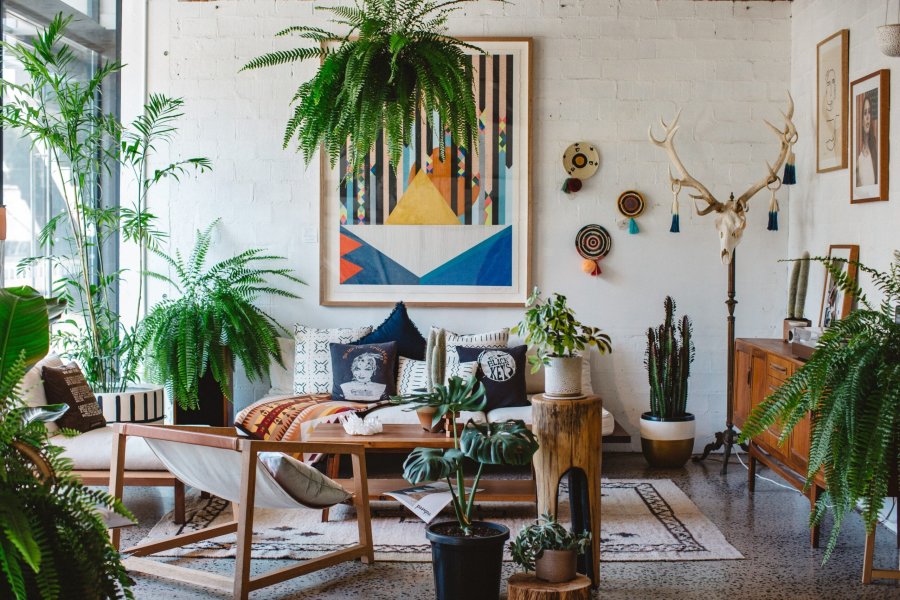
Creating a sustainable home is one of the most impactful ways we can contribute to reducing our carbon footprint and living more harmoniously with the planet. In 2025, eco-conscious living is no longer just a trend—it’s a necessity. Whether you’re building a new home or looking to make small changes in your current space, sustainable living practices can transform your home into an environmentally friendly sanctuary.
In this article, we’ll explore simple yet effective eco-friendly tips for every room in your home, from the kitchen to the bathroom, ensuring that every aspect of your living space contributes to a more sustainable future.
1. Sustainable Living Room: Energy-Efficiency and Eco-Friendly Materials
The living room is often the heart of the home, where you relax, entertain, and spend time with family. Making eco-friendly choices in this space not only reduces energy consumption but also creates a more comfortable and health-conscious environment.
Eco-Friendly Tips:
-
Energy-efficient lighting: Switch to LED bulbs, which use significantly less energy than traditional incandescent bulbs and last longer.
-
Sustainable furniture: Look for furniture made from recycled materials, sustainably sourced wood, or pieces from local artisans to support a reduced carbon footprint.
-
Natural textiles: Opt for organic cotton, hemp, or bamboo textiles for your furniture, cushions, and throws. These materials are not only eco-friendly but also free from harmful chemicals found in conventional fabrics.
-
Energy-efficient electronics: When purchasing new electronics, look for energy-efficient appliances with an Energy Star rating. Consider smart thermostats or energy management systems to optimize your energy use.
By implementing these changes, you can make your living room both stylish and sustainable while reducing your home’s environmental impact.
2. Sustainable Kitchen: Waste Reduction and Eco-Friendly Appliances
The kitchen is one of the most resource-intensive rooms in the house. From energy consumption to waste production, there are many opportunities to make this space more sustainable. Adopting energy-efficient appliances and reducing waste can have a significant impact.
Eco-Friendly Tips:
-
Use energy-efficient appliances: Invest in appliances with an Energy Star rating to reduce energy consumption. A more energy-efficient refrigerator, dishwasher, or stove can significantly cut down your utility bills.
-
Compost food waste: Instead of throwing away food scraps, start composting. Composting reduces landfill waste and creates nutrient-rich soil for your garden.
-
Sustainable cookware: Choose cookware made from sustainable materials, like cast iron, stainless steel, or ceramic, instead of non-stick pans that can release harmful chemicals when heated.
-
Reusable kitchen items: Replace disposable items like paper towels, plastic wrap, and disposable coffee filters with reusable alternatives. Invest in cloth napkins, beeswax wraps, and washable dishcloths to reduce waste.
-
Water-saving practices: Install low-flow faucets and dishwashers to reduce water waste, and consider using a water filter instead of bottled water to reduce plastic waste.
With these changes, you can reduce your kitchen’s environmental impact while also making it a healthier and more efficient space for preparing meals.
3. Eco-Friendly Bathroom: Water Conservation and Natural Products
The bathroom is another room where small changes can make a big difference in sustainability. Water conservation and the use of natural products can minimize waste and reduce your carbon footprint in this essential space.
Eco-Friendly Tips:
-
Low-flow fixtures: Install low-flow showerheads, faucets, and toilets to reduce water usage without sacrificing performance.
-
Natural cleaning products: Replace chemical-laden cleaning products with natural alternatives like vinegar, baking soda, and essential oils. These products are just as effective but much safer for your health and the environment.
-
Eco-friendly toiletries: Choose personal care products like shampoo bars, biodegradable toothpaste, and bamboo toothbrushes to reduce plastic waste.
-
Energy-efficient water heating: Consider upgrading to a tankless water heater, which heats water only as needed, reducing energy consumption and water waste.
-
Sustainable towels and linens: Invest in towels and bath mats made from organic cotton, bamboo, or other sustainable materials. These fabrics are gentle on the skin and the environment.
Making these sustainable choices in your bathroom helps conserve precious resources and creates a healthier, more eco-friendly environment.
4. Sustainable Bedroom: Sleep Green and Energy-Efficient
Your bedroom should be a peaceful retreat, and making it more sustainable can also improve your sleep quality. Sustainable choices in your bedroom can help reduce energy consumption and create a healthier sleeping environment.
Eco-Friendly Tips:
-
Natural bedding: Choose bedding made from organic cotton, linen, or bamboo. These materials are grown without harmful pesticides and are gentler on the skin.
-
Energy-efficient lighting: Replace incandescent bulbs with LED bulbs to save energy and reduce heat output in the bedroom.
-
Sustainable furniture: Look for furniture made from sustainably sourced wood or reclaimed materials. Avoid items made from toxic materials like formaldehyde or PVC.
-
Air quality: Improve indoor air quality by using natural cleaning products, introducing houseplants that purify the air, and ensuring proper ventilation to prevent moisture buildup.
-
Temperature regulation: To avoid excessive energy use from air conditioning or heating, try using natural fiber blankets for warmth or lightweight sheets in the summer months. A programmable thermostat can also help regulate room temperature efficiently.
These small changes help create a comfortable, eco-friendly bedroom that promotes restful sleep while being kind to the planet.
5. Sustainable Home Office: Energy-Efficient and Organized Workspace
With more people working from home than ever before, creating a sustainable home office is essential. A well-organized, eco-friendly workspace can help you stay productive while also reducing your environmental impact.
Eco-Friendly Tips:
-
Energy-efficient lighting and equipment: Use LED desk lamps, and opt for energy-efficient computers and printers. Turn off electronics when not in use to save energy.
-
Paperless office: Reduce paper waste by relying on digital documents and communication. Use cloud storage to store files and keep your workspace organized without the need for paper.
-
Ergonomic furniture: Invest in ergonomic office furniture made from sustainable materials, such as bamboo or recycled wood. This will not only improve your comfort but also help reduce environmental impact.
-
Recycle and repurpose: Set up a recycling station in your office for paper, plastic, and electronics. Repurpose old office supplies and furniture instead of buying new.
-
Green office plants: Add plants to your office space to improve air quality and create a calming atmosphere.
By designing your home office with sustainability in mind, you can create a productive, eco-friendly workspace that supports both your work goals and the environment.
6. The Power of Eco-Friendly Practices in Every Room
Incorporating sustainable practices into every room of your home not only reduces your environmental footprint but also creates a healthier, more energy-efficient space. Whether it’s making smarter purchasing decisions, conserving water, or reducing waste, small changes can add up to a significant positive impact on the planet.
Sustainability isn’t about perfection; it’s about making thoughtful, intentional choices that align with your values and contribute to a greener, healthier world. By creating a sustainable home in 2025, you can live more harmoniously with the environment while enjoying the comforts of a mindful, eco-conscious lifestyle.
FAQs
What is the most important sustainable change I can make in my home?
A1: One of the most impactful changes is improving energy efficiency, such as switching to LED lighting, using energy-efficient appliances, and reducing water consumption with low-flow fixtures.
How can I reduce waste in my kitchen?
A2: Reduce waste by using reusable containers, composting food scraps, choosing products with minimal packaging, and buying in bulk.
Are there eco-friendly alternatives for cleaning products?
A3: Yes, you can use natural cleaning agents like vinegar, baking soda, and essential oils to clean without harmful chemicals, reducing your environmental impact.
How can I make my bathroom more sustainable?
A4: Install low-flow showerheads and toilets, use eco-friendly toiletries, and opt for natural cleaning products to reduce waste and conserve water.
What is sustainable furniture?
A5: Sustainable furniture is made from eco-friendly materials, such as reclaimed wood, bamboo, or recycled metal, and is designed to minimize environmental impact throughout its life cycle.