In today’s fast-paced world, where everything seems to move at a rapid speed, the concept of “slow living” is gaining significant attention. The art of slow living is all about embracing a lifestyle that focuses on being more intentional, mindful, and present. It encourages slowing down to appreciate the simple things, reduce stress, and live a more meaningful life. In 2025, as people continue to grapple with the pressures of modern life, slow living offers a way to reconnect with ourselves, our values, and our environment. This article will explore the principles of slow living, its benefits, and how you can incorporate it into your daily routine.
What is Slow Living?
Slow living is a lifestyle that encourages individuals to take a step back from the hustle and bustle of daily life and engage in more purposeful living. It involves a conscious effort to simplify, be present, and savor the moments, rather than rushing through them. Slow living rejects the societal pressure of always being “on-the-go” and prioritizes quality over quantity in every aspect of life, from work to relationships, food, and leisure.
At its core, slow living is about living with intention—making choices that align with your values, fostering deeper connections, and focusing on personal well-being. It’s not about doing everything slowly, but rather about being mindful and thoughtful in how you approach everyday tasks.
1. The Benefits of Slow Living
Slow living brings a host of benefits that can significantly improve your mental, emotional, and physical well-being. Here are a few key advantages:
a) Reduced Stress and Anxiety
By embracing slow living, you take a break from the constant pressure of deadlines, productivity, and societal expectations. This slower pace of life allows you to manage stress more effectively and avoid burnout. By taking time to breathe, reflect, and be present, you can enhance your mental clarity and emotional balance.
b) Improved Health and Wellness
Living at a slower pace means you can prioritize self-care, which includes getting enough sleep, eating mindfully, and moving your body in ways that feel good. Slow living allows you to tune into your body’s needs, making it easier to develop healthier habits and routines.
c) Deeper Relationships
In a fast-paced world, it’s easy to get caught up in superficial interactions. Slow living encourages you to nurture more meaningful and intentional relationships. By spending more quality time with loved ones, listening actively, and being present, you deepen your connections with others.
d) Increased Creativity and Productivity
Ironically, by slowing down, you can increase your creativity and productivity. When you give yourself time to rest and reflect, your brain has a chance to recharge, making you more effective and creative in your work and daily tasks. Slow living fosters a space for inspiration and thoughtful decision-making.
2. How to Practice Slow Living in a Busy World
Incorporating slow living into your life doesn’t mean you have to abandon your responsibilities or commitments. Instead, it’s about being more intentional in how you approach them. Here are some ways to embrace slow living in a busy world:
a) Prioritize Your Time
Take control of how you spend your time by setting clear boundaries and saying no to activities that don’t align with your values or bring you joy. Evaluate how you spend your time daily and make adjustments to focus on what truly matters. Whether it’s setting aside time for self-care, hobbies, or family, make your time a priority.
b) Simplify Your Space
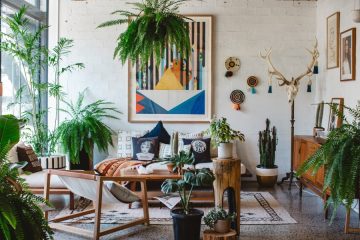
A cluttered environment can contribute to mental stress and overwhelm. Simplify your living space by decluttering and surrounding yourself with only the things that bring you joy and serve a purpose. Organize your home to create a calm, inviting space that promotes relaxation and mindfulness.
c) Slow Down and Be Present
Practice mindfulness by slowing down during everyday tasks. Whether you’re eating, walking, or doing household chores, focus on the activity at hand. For example, when eating, savor each bite and appreciate the flavors and textures. Being present in the moment helps reduce anxiety and allows you to fully experience life.
d) Engage in Meaningful Activities
Rather than filling your schedule with endless events or distractions, make time for activities that are fulfilling and aligned with your passions. Engage in creative hobbies, volunteer for a cause you care about, or spend time in nature. These activities nurture your well-being and help you feel more connected to your purpose.
3. Slow Living and Sustainability
Another key aspect of slow living is sustainability. By choosing to live more slowly, we can also make choices that benefit the environment. Slow living encourages mindful consumption, focusing on quality over quantity, and reducing waste.
a) Mindful Consumption
Rather than buying items impulsively or following trends, slow living encourages you to make thoughtful decisions about what you purchase. Invest in high-quality, durable items that will last longer and add value to your life. This also applies to food—eat seasonal, locally grown produce, and reduce your reliance on processed, packaged goods.
b) Support Local and Ethical Brands
Support businesses that prioritize sustainability, ethical practices, and fair trade. By choosing to shop from local markets, artisans, or companies that align with your values, you reduce your carbon footprint and contribute to a more sustainable economy.
c) Embrace Minimalism
Slow living and minimalism go hand in hand. By reducing your material possessions and focusing on only what you truly need, you can live more sustainably. Consider adopting a minimalist approach to your home, wardrobe, and lifestyle to reduce waste and make space for what really matters.
4. Incorporating Slow Living into Daily Routine
Incorporating slow living into your daily routine doesn’t require a drastic lifestyle overhaul. Small, intentional changes can have a profound impact on your life. Here are some ways to begin embracing the art of slow living:
a) Start with Your Morning Routine
The way you start your day sets the tone for the rest of it. Instead of rushing through your morning, take time to enjoy a slow, peaceful start. Whether it’s meditating, enjoying a cup of tea, or simply sitting quietly, make your mornings a time to center yourself.
b) Take Breaks Throughout the Day
Rather than working nonstop, schedule regular breaks to recharge. Step away from your desk, take a walk, or practice deep breathing to reset your mind. These moments of pause help maintain focus and prevent burnout.
c) Spend Time in Nature
Nature offers a natural way to slow down and reconnect. Take regular walks in the park, hike through the woods, or simply sit outside and appreciate the beauty around you. Spending time in nature reduces stress and fosters a sense of calm.
5. Living with Intention: The Future of Slow Living
As we move deeper into 2025, the slow living movement is gaining momentum, especially as people seek to find balance in an increasingly chaotic world. Living with intention allows you to be more present, more conscious of your actions, and more aligned with your values.
In the future, we can expect slow living to become even more mainstream, with more individuals choosing to prioritize well-being over productivity and material wealth. The rise of sustainable living, mindful consumption, and a focus on mental health are all contributing factors to the widespread acceptance of slow living.
Conclusion: Embrace the Art of Slow Living for a Richer Life
In a world that constantly pushes us to do more, achieve more, and acquire more, slow living offers a refreshing alternative. By embracing a slower, more intentional approach to life, you can reduce stress, increase happiness, and create a more meaningful existence. It’s not about doing less; it’s about doing more of what truly matters.
As you explore the art of slow living, remember that it’s a journey, not a destination. Take small steps each day to slow down, simplify, and live with greater purpose. By doing so, you’ll find yourself more present, more connected, and ultimately, more fulfilled.
FAQs
What is slow living?
A1: Slow living is a lifestyle that focuses on living with intention, mindfulness, and simplicity. It encourages reducing distractions and embracing what truly matters in life.
How can I start practicing slow living?
A2: Begin by slowing down during daily tasks, simplifying your surroundings, and focusing on activities that bring you joy and fulfillment. Prioritize time for self-care and meaningful experiences.
Does slow living mean doing less?
A3: Not necessarily. Slow living is about being intentional and mindful in your actions, focusing on quality over quantity, and engaging more deeply with life rather than rushing through it.
How does slow living benefit the environment?
A4: Slow living encourages sustainable practices like mindful consumption, minimalism, and supporting local, ethical businesses. These choices help reduce waste and support a more sustainable way of living.
Can slow living improve my mental health?
A5: Yes, by reducing stress, promoting mindfulness, and fostering a sense of purpose, slow living can lead to improved mental well-being and a deeper connection to yourself and others.