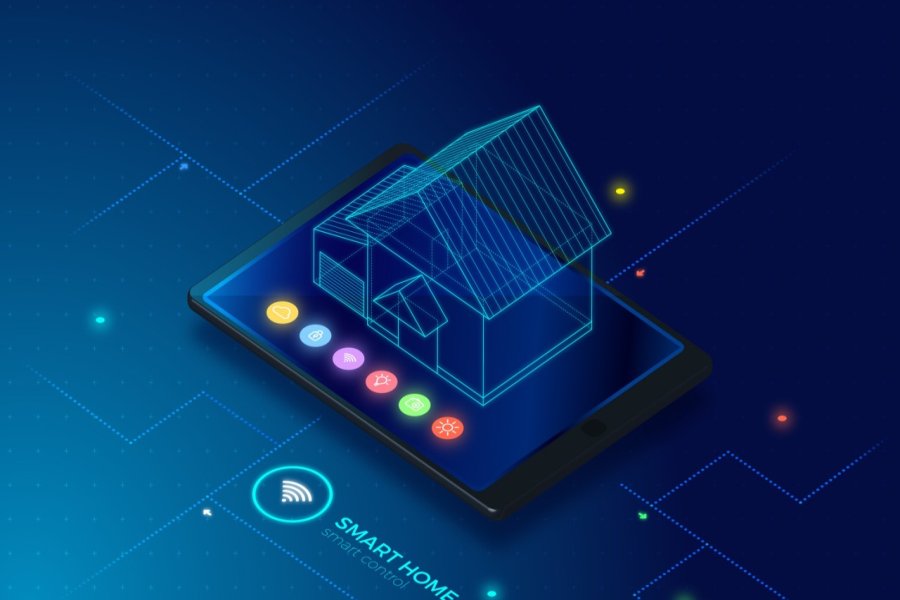
The concept of a “smart home” has evolved from futuristic science fiction into an everyday reality. Thanks to the rapid advancements in the Internet of Things (IoT), more and more homes are becoming integrated with intelligent devices that communicate and work together to enhance convenience, security, and efficiency. In 2025, smart homes are not only changing how we interact with our living spaces but are also shaping the future of homeownership and lifestyle. From voice-activated assistants to energy-saving solutions, IoT is revolutionizing the way we live.
In this article, we’ll explore how the rise of smart homes is impacting daily life, the benefits they offer, and the key IoT technologies that are driving this transformation.
What is IoT and How Does it Relate to Smart Homes?
The Internet of Things (IoT) refers to the network of physical devices, appliances, and systems that are embedded with sensors, software, and connectivity, allowing them to collect and exchange data. In the context of smart homes, IoT devices can be connected to each other and to the internet, enabling homeowners to monitor, control, and automate various aspects of their home environment remotely.
IoT-powered smart homes use sensors and connected devices to streamline daily tasks, improve energy efficiency, and enhance the overall quality of life. These systems can learn from user behavior, adapt to preferences, and even predict future actions, making life more convenient and efficient.
1. Enhanced Convenience and Automation
One of the most appealing aspects of smart homes is the convenience they offer. With IoT technology, homeowners can control nearly every aspect of their living space from their smartphones or voice-activated assistants, no matter where they are.
a) Voice-Controlled Devices
Voice assistants like Amazon Alexa, Google Assistant, and Apple Siri have become central to the smart home ecosystem. These devices allow users to control lights, thermostats, entertainment systems, and even kitchen appliances using simple voice commands.
b) Automated Routines
Smart homes can be programmed to follow personalized routines. For example, you can set your thermostat to adjust the temperature before you arrive home, or your lights can turn on automatically at a specific time in the evening. With IoT, tasks that once required manual input are now automated, saving time and energy.
c) Remote Control
Whether it’s adjusting the temperature or locking the doors, smart homes allow users to control their home’s features remotely. This gives homeowners peace of mind, especially when they are traveling or away from home.
2. Improved Security and Safety
Smart homes also offer enhanced security features, leveraging IoT devices that keep an eye on your home, notify you of any suspicious activity, and even intervene in real-time to protect your property.
a) Smart Security Cameras and Doorbells
Smart security cameras, like those from Ring or Nest, allow you to monitor your home in real-time through your smartphone. They also offer motion detection, facial recognition, and night vision, providing comprehensive coverage for both the inside and outside of your home. Some systems even send notifications if they detect unusual movement.
b) Smart Locks
IoT-enabled smart locks eliminate the need for traditional keys. You can lock and unlock your doors remotely, grant access to guests or service providers without being home, and receive alerts when someone enters your home. This technology offers increased control and peace of mind.
c) Smoke and CO Detectors
Smart smoke detectors and carbon monoxide detectors provide alerts directly to your phone, so you’re always informed if there’s a potential emergency in your home. These systems can also be integrated with other smart devices, like fans or air purifiers, to mitigate the risk and help protect your family.
3. Energy Efficiency and Sustainability
One of the most significant benefits of IoT in smart homes is its ability to improve energy efficiency, contributing to both cost savings and environmental sustainability.
a) Smart Thermostats
Smart thermostats like Nest and Ecobee learn your household’s temperature preferences and adjust automatically based on when you’re home or away. They also offer energy-saving features, such as scheduling and geofencing, which helps prevent heating or cooling an empty house.
b) Energy Monitoring
Smart homes allow homeowners to monitor their energy consumption in real-time. Devices like energy meters or smart plugs can track how much power is being used by various appliances, helping users identify inefficiencies and reduce their overall energy usage.
c) Lighting Control
IoT-enabled lighting systems can be adjusted based on the time of day or occupancy. Smart bulbs can automatically dim or turn off when no one is present, reducing energy waste. They also allow users to set lighting scenes for different activities, enhancing both convenience and sustainability.
d) Solar Integration
Many smart homes are integrating solar power systems with IoT technologies. These systems can monitor energy production and consumption, optimize the use of solar energy, and even store excess energy for later use, making homes more self-sufficient and reducing reliance on non-renewable energy sources.
4. Health and Wellness Benefits
IoT technology is also transforming how we approach health and wellness within our homes. Smart home devices can promote healthier lifestyles by encouraging better habits, tracking health metrics, and improving air quality.
a) Air Quality Monitors
Smart home devices that monitor air quality help ensure that your indoor environment is free from pollutants, allergens, and harmful particles. These systems can alert you when air quality drops, and some can even activate air purifiers automatically to improve the air in your home.
b) Sleep Monitoring
Smart beds and sleep trackers can monitor your sleep patterns, providing insights into how well you’re sleeping and offering suggestions for improvement. These devices track movements, heart rate, and even environmental factors like temperature and light to help optimize your sleep environment.
c) Smart Kitchens for Healthier Eating
IoT devices in the kitchen, like smart fridges and recipe assistants, can help you make healthier meal choices. For instance, some smart refrigerators can track the freshness of ingredients and send you reminders to use them before they spoil, helping reduce food waste and encouraging healthier eating habits.
5. The Future of Smart Homes: What’s Next?
As IoT continues to evolve, the possibilities for smart homes are nearly limitless. In 2025 and beyond, we can expect even greater integration of AI, machine learning, and automation in the smart home space.
a) AI-Powered Personalization
AI will enable smart homes to become even more intuitive. By analyzing patterns in your behavior, smart homes will anticipate your needs and adjust settings without requiring manual input. For example, your smart home might learn that you prefer cooler temperatures at night or that you like to listen to music when you’re cooking dinner, and adjust accordingly.
b) Interconnected Ecosystems
Smart homes will become more interconnected, with IoT devices communicating with each other to create a seamless experience. For example, your refrigerator could communicate with your oven, adjusting cooking settings based on the ingredients inside. Similarly, your car could sync with your home to adjust the thermostat or turn on the lights as you drive home.
c) Increased Privacy and Security Features
As more data is collected by smart home devices, privacy concerns will increase. In response, we can expect enhanced encryption and security features to protect personal data. Smart homes will also become more transparent, allowing users to control the information being shared and accessed by devices.
Conclusion: Embracing the Smart Home Revolution
The rise of smart homes in 2025 represents the next step in the evolution of home living. With IoT technology enhancing convenience, security, energy efficiency, and health, smart homes are transforming how we interact with our living spaces. As the technology continues to evolve, smart homes will become more intuitive, sustainable, and interconnected, offering a glimpse into the future of homeownership.
Whether you’re looking to enhance your home’s security, reduce your energy consumption, or improve your health and wellness, IoT-powered smart homes provide a range of benefits that make everyday life easier, more efficient, and more enjoyable. Embracing smart home technology is not just about convenience—it’s about creating a more sustainable and connected future.
FAQs
What is a smart home?
A1: A smart home is a residence equipped with IoT devices that can be controlled remotely or automatically. These devices interact with each other and the internet to enhance convenience, security, energy efficiency, and overall comfort.
How can IoT improve energy efficiency in a smart home?
A2: IoT devices such as smart thermostats, lighting systems, and energy monitors can optimize energy consumption by adjusting settings based on real-time data and user preferences, reducing waste and lowering utility bills.
What are some benefits of smart home security?
A3: Smart home security systems offer enhanced features such as remote monitoring, real-time alerts, smart cameras, and automated responses, providing homeowners with greater peace of mind and protection.
Are smart homes difficult to set up?
A4: Setting up a smart home is relatively easy, especially with the growing number of user-friendly devices available. Many IoT devices are designed to be plug-and-play and can be controlled through apps or voice commands.
How does AI enhance the smart home experience?
A5: AI allows smart homes to become more intuitive by learning user behaviors and preferences. It can automatically adjust settings like temperature, lighting, and entertainment based on these patterns, making the home more personalized and efficient.